Creating the Perfect Backyard Koi Pond in Austin
What Austin homeowners should know before adding a koi pond, from planning and placement to long-term care.
Why Koi Ponds Are Popular in Austin Backyards
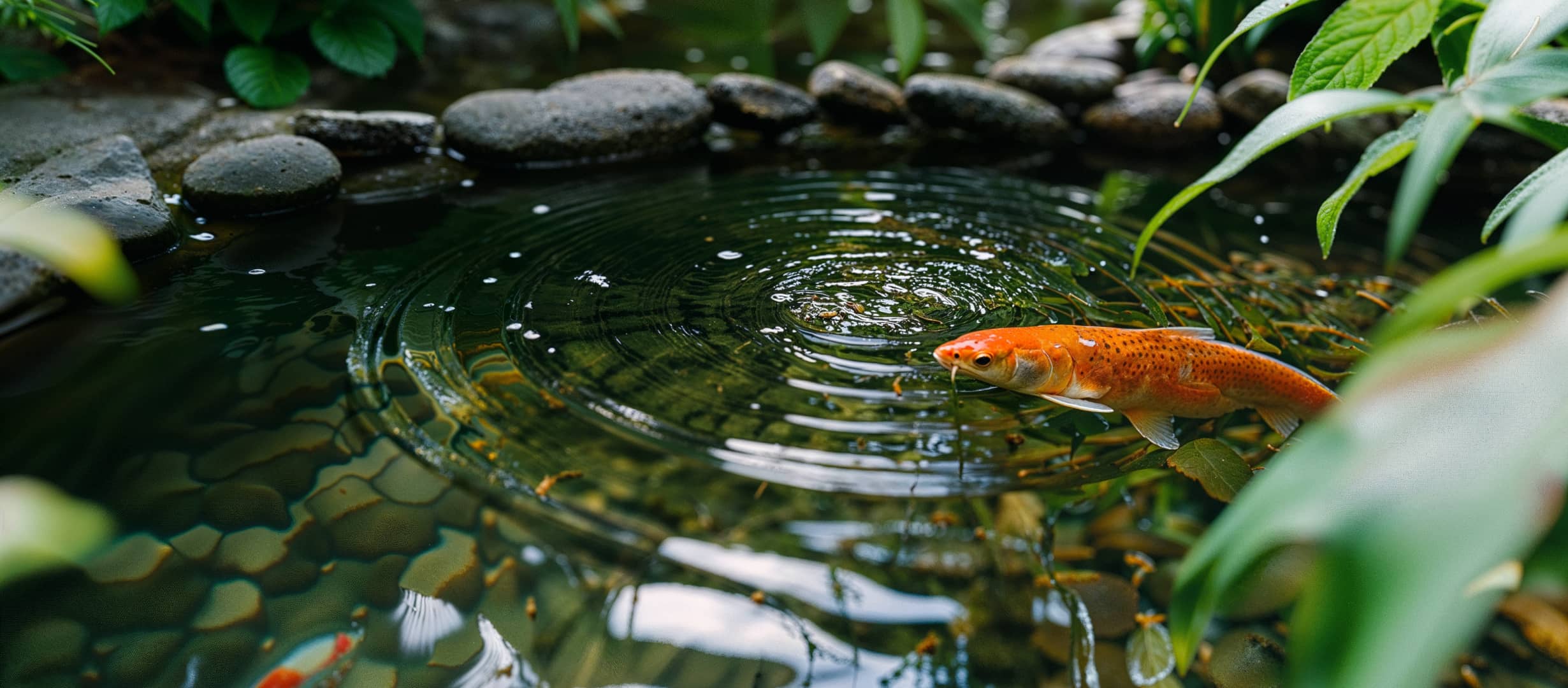
A koi pond changes the mood of a backyard almost immediately. The sound of water moving, the slow pace of the fish, and the way it naturally pulls your attention make the space feel calmer without adding a lot of extras, especially across Austin landscaping service areas.
In Austin, a lot of homeowners like koi ponds because they don’t require redoing the entire yard. You can add one feature and suddenly the space feels more finished. That said, ponds here need to be thought through. Heat, evaporation, and how the yard is laid out all affect how well a pond holds up over time.
We usually tell people to think of a koi pond as part of the landscape, not something added on afterward. When it fits into the yard naturally, it tends to last longer and feel easier to live with.
Choosing the Right Spot for a Koi Pond
Where a koi pond goes matters more than most people expect. Put it in the wrong place and you’ll deal with overheating, falling leaves, or constant cleanup.
When figuring out placement, it helps to look for:
- Some shade during the hottest part of the day
- Ground that doesn’t need major leveling
- Space away from trees that drop a lot of debris
- A spot you can actually see and enjoy
A koi pond should feel like it belongs there, not like something squeezed into a leftover corner of the yard.
Designing a Pond That Fits the Yard
The pond should match the yard, not overpower it. Bigger ponds aren’t always better, especially if maintenance becomes more than you expected.
Good designs usually keep things simple:
- Soft curves instead of sharp edges
- Enough depth so fish aren’t stressed in summer
- Borders that blend into the surrounding landscape
- Room for filters and pumps without everything feeling crowded
When a pond looks like it flows with the yard, it usually feels easier to maintain too. This works best when planned alongside landscape design in Austin.
Water Quality Is Everything for Koi
Koi are tougher than people think, but water quality still matters a lot. In Austin, water warms up fast, which can affect oxygen levels and algae growth if the pond isn’t designed properly.
Things that make a big difference:
- Reliable filtration
- Steady water movement
- Areas of shade to limit overheating
- Easy access for cleaning
Skipping these details early usually leads to problems later, especially once summer heat settles in.
Plants and Landscaping Around the Pond
The space around the pond is just as important as the pond itself. Plants help soften the edges and make the pond feel like it belongs in the yard.
Good plant choices usually:
- Don’t drop a lot of leaves into the water
- Handle moisture near the pond edge
- Provide shade without overcrowding
- Blend well with stone and water features
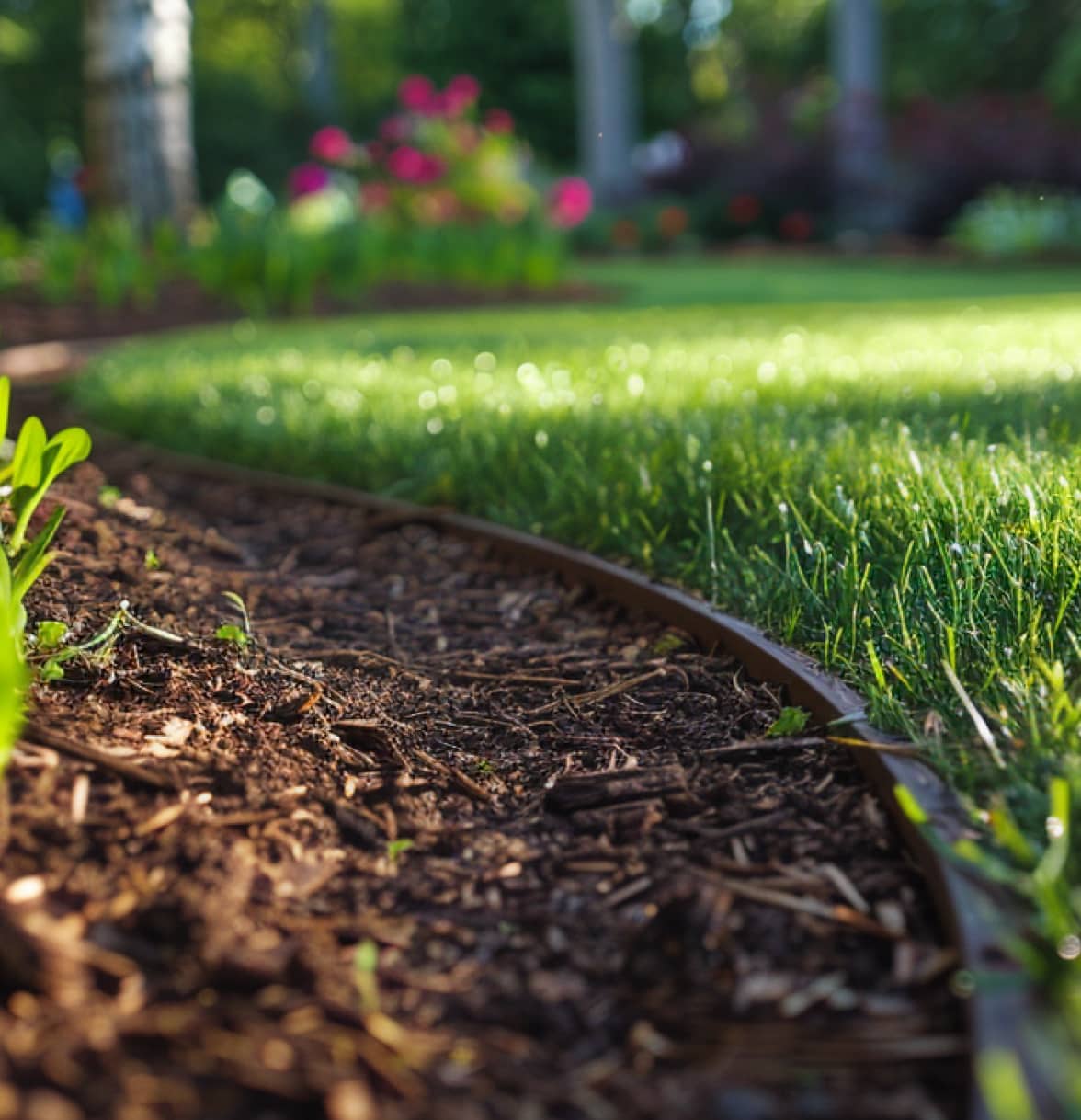
Aquatic plants can help with balance, but too many can create more work than expected. Surrounding areas often benefit from clean borders or rock bed installation to reduce debris.
.webp)
Maintenance: What to Expect Long-Term
A koi pond does need maintenance, but it shouldn’t feel overwhelming. The key is knowing what you’re signing up for before building one.
Most routine care includes:
- Checking filters
- Replacing water lost to evaporation
- Removing debris before it breaks down
- Keeping an eye on fish health
With a solid setup, this usually becomes part of a regular routine instead of a constant task.
Planning for Austin’s Climate
Austin weather doesn’t always play nice. Long hot summers, sudden storms, and dry stretches all affect ponds.
Planning for local conditions helps by:
- Using materials that handle heat
- Accounting for water loss during summer
- Protecting pumps and filters
- Making seasonal adjustments easier
Ponds designed with Austin in mind usually last longer and require fewer fixes over time.
A Koi Pond Should Add Enjoyment, Not Stress
When it’s done right, a koi pond becomes a place to slow down. It adds sound, movement, and a sense of calm without demanding constant attention.
The goal is simple: create something you enjoy looking at and spending time around, not something that feels like another project to manage.
Explore Related Landscaping Services
FAQs
Can koi ponds work well in Austin heat?
Yes, as long as depth, shade, and circulation are planned properly.
How deep should a koi pond be?
Deeper ponds handle temperature changes better and are healthier for fish.
Do koi ponds need daily maintenance?
No. With the right setup, maintenance is regular but manageable.
Can a koi pond be added to an existing yard?
Yes. Many are designed to fit into established landscapes.
.webp)