Best Times of Year for Lawn Aeration and Fertilizing in Austin
Learn when to aerate and fertilize your lawn in Austin to support healthy growth and avoid common seasonal mistakes.
Why Timing Matters for Austin Lawns
With lawn care in Austin, timing is almost everything. You can do the right thing at the wrong time and still end up with stressed grass. Hot summers, sudden temperature jumps, and mild winters all take a toll if work is done too early or too late, especially across Austin landscaping service areas.
When aeration and fertilizing line up with the season, lawns bounce back faster. Roots grow deeper, grass handles heat better, and the yard usually looks more even without needing constant fixes. Get the timing wrong, and it can feel like you’re always playing catch-up.
At Serendipity Landscape Solutions, timing is one of the first things we pay attention to when a lawn isn’t performing the way it should.
Best Time for Lawn Aeration in Austin
Aeration is all about relieving compacted soil so air, water, and nutrients can actually reach the roots. In Austin, compaction is pretty common, especially in yards that see regular foot traffic or heavy use.
For most lawns, aeration works best:
- Late spring, once the grass is actively growing
- Early fall, when temperatures start to ease up
During these windows, grass recovers faster and fills back in more evenly. Aerating during peak summer heat or colder periods usually slows things down and adds unnecessary stress. Most Austin lawns use warm-season grasses, which respond best when aeration happens during active growth.
When Fertilizing Works Best
Fertilizer helps lawns grow, but more isn’t always better. In Austin, lighter applications at the right time usually work better than heavy feeding.
In general:
- Spring fertilizing helps wake the lawn up and improve color
- Early summer applications support strength before extreme heat
- Fall fertilizing focuses more on root health going into cooler months
Applying fertilizer during the hottest part of summer can push growth when grass is already stressed. Many homeowners see better results when fertilizing is paired with professional lawn fertilizer application rather than guesswork.
How Aeration and Fertilizing Work Together
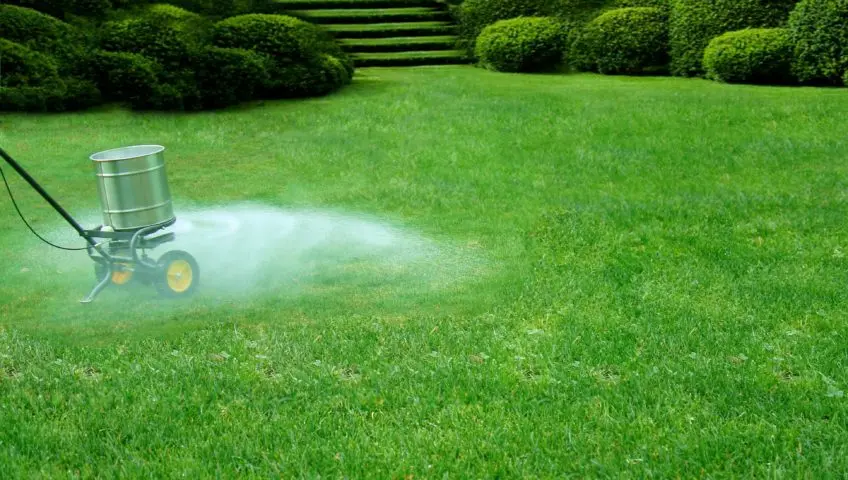
Aeration and fertilizing often work best as a pair, but only when the timing makes sense. Aeration opens up the soil, which gives fertilizer a better path down to the root zone instead of sitting on the surface.
When done together at the right time:
- Nutrients absorb more evenly
- Roots grow deeper and stronger
- Water penetrates the soil more effectively
This approach is especially helpful for lawns that struggle with compacted soil or uneven growth patterns.
Signs Your Lawn May Need Aeration or Fertilizing
Not every lawn follows the same schedule. Some signs that it may be time to aerate or fertilize include:
- Water pooling instead of soaking in
- Thin or patchy grass that doesn’t fill in
- Slow growth despite regular watering
- Pale or uneven lawn color
Addressing these signs early often prevents bigger problems later in the season.
Avoid Common Timing Mistakes
One of the biggest mistakes homeowners make is treating lawn care as a one-time task. In Austin, lawns need seasonal attention to stay healthy.
Try to avoid:
- Aerating during extreme heat
- Fertilizing right before heavy rain
- Applying fertilizer when grass isn’t actively growing
- Skipping basic soil preparation
Small timing adjustments often make a bigger difference than people expect.
Seasonal Lawn Care Makes a Difference
Lawns that follow a seasonal care approach tend to recover faster from stress and look better throughout the year. Aeration and fertilizing, when done at the right times, reduce the need for constant fixes later.
At Serendipity Landscape Solutions, we focus on steady, seasonal lawn care rather than quick fixes that don’t last.
Explore Related Landscaping Services
- Lawn Mowing and Edging
- Lawn Fertilizer Application
- Landscape Design in Austin
- Garden Bed Installation
FAQs
How often should lawns be aerated in Austin?
Most lawns benefit from aeration once a year, depending on soil condition and how the yard is used.
Is spring or fall better for fertilizing?
Both can help. Spring supports growth, while fall focuses more on root strength.
Can aeration damage my lawn?
When done at the right time, aeration helps lawns rather than harming them.
Should I water after fertilizing?
Light watering helps nutrients soak in, but it’s best to avoid runoff or heavy rain.
.webp)