Best Plants for Drought-Tolerant Landscaping in Austin
Discover the best drought-tolerant plants for Austin. Serendipity Landscape Solutions shares top picks and design tips for water-efficient landscaping.
Why Drought-Tolerant Landscaping Matters in Austin
If you’ve lived in Austin for any amount of time, you already know how hard summers can be on yards. Weeks of heat, very little rain, and watering restrictions don’t leave much room for trial and error, especially across Austin landscaping service areas.
That’s why drought-tolerant landscaping makes sense for a lot of homeowners. It’s not about giving up on a good-looking yard. It’s more about working with the climate instead of fighting it. When plants are already used to these conditions, everything gets easier - watering drops, stress on the yard goes down, and maintenance doesn’t feel like a constant chore.
From what we see at Serendipity Landscape Solutions, landscapes built around drought-tolerant plants tend to hold up better year after year, especially when summer really starts pushing temperatures up.
What Actually Makes a Plant Drought-Tolerant
Drought-tolerant plants aren’t just plants that survive without water forever. Most of them still need care early on. The difference is how they behave once they’re established.
These plants usually have things working in their favor, like deeper roots or leaves that don’t lose moisture as quickly. Some store water naturally, others just don’t panic when conditions get dry.
In general, drought-tolerant plants:
- Handle heat without wilting right away
- Don’t need frequent watering once settled in
- Bounce back quicker after dry stretches
- Require less ongoing maintenance
Choosing plants that actually match Austin’s climate usually leads to fewer replacements and fewer surprises later on.
Drought-Tolerant Plants That Tend to Work Well in Austin
Not every plant labeled “drought-tolerant” does well here. Some look good on paper but struggle once summer hits. The options below are ones that usually perform better in real Austin yards when they’re planted correctly.
Native Grasses
Native grasses are often overlooked, but they’re one of the easiest ways to fill space without relying on heavy watering. Since they’re already adapted to local conditions, they settle in well over time.
- Buffalo grass
- Blue grama
- Little bluestem
They add texture and movement to the yard and don’t need constant attention once established.
Shrubs That Handle Heat Without Fuss
Shrubs give landscapes structure, but many traditional options struggle once water becomes limited. Heat-tolerant shrubs are usually a better long-term choice.
- Texas sage
- Yaupon holly
- Cenizo
These tend to keep their shape, handle heat better, and don’t need frequent watering to look good.
Perennials That Add Color Without Extra Work
If you want color without replanting every season, perennials are usually the way to go. Many do well in Austin as long as they’re placed properly.
- Black-eyed Susan
- Lantana
- Salvia
They bring color, attract pollinators, and usually hold up better than many annual plants.
Succulents and Accent Plants
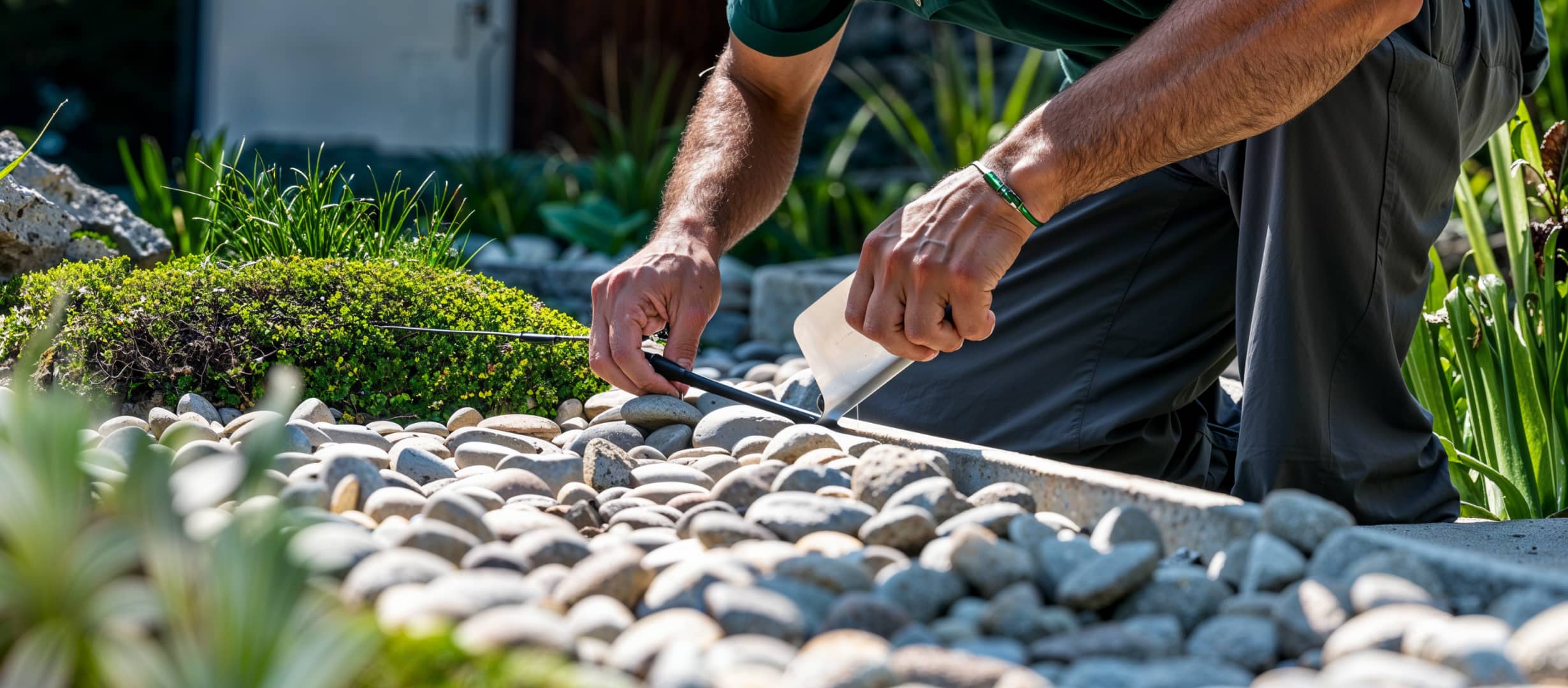
Succulents work well as accent plants, especially in rock beds or along borders. They’re built to store water and handle dry conditions without much trouble.
- Agave
- Yucca
- Prickly pear cactus
Used in the right spots, they add character without increasing water use.
.webp)
Getting Drought-Tolerant Plants Off to a Good Start
Even plants that handle drought well need attention early on. The first few months after planting make a big difference.
A few basics that help:
- Preparing the soil before planting
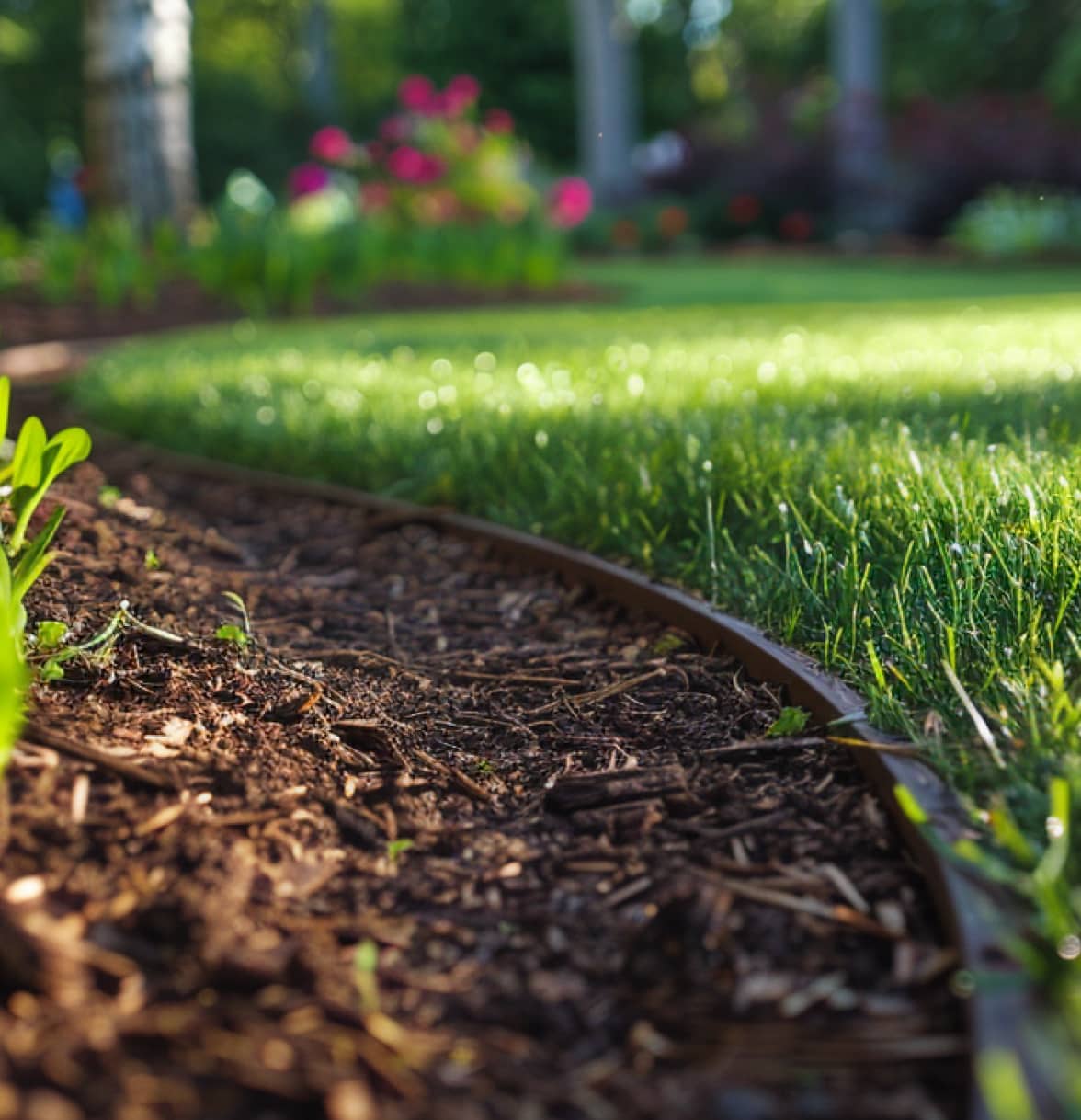
- Using mulch to keep moisture in
- Watering deeply instead of often
- Grouping plants with similar water needs
This process often goes hand in hand with professional planting services and proper mulch installation.
Why Design Still Matters
Plant choice is important, but layout matters just as much. Spacing, placement, and grouping all affect how well a drought-tolerant landscape performs over time.
Thoughtful landscape design in Austin helps reduce water waste, prevent overcrowding, and keep the yard looking balanced instead of random.
The Long-Term Payoff
Over time, drought-tolerant landscaping usually leads to lower water use, less ongoing maintenance, fewer plant replacements, and better performance during extreme heat.
At Serendipity Landscape Solutions, we see drought-tolerant landscapes as a smart, realistic investment - not a compromise.
Explore Related Landscaping Services
FAQs
Are drought-tolerant plants good for Austin summers?
Yes. Many of these plants are well suited to heat and low rainfall once they’re established.
Do drought-tolerant plants need any watering?
They still need regular watering early on, but much less once they’re established.
Can drought-tolerant landscaping still look colorful?
Absolutely. Many perennials and shrubs add color without heavy water use.
Is drought-tolerant landscaping expensive?
Costs vary, but long-term water savings and lower maintenance often balance things out.
.webp)