How to Design a Low-Maintenance Garden in Austin
Simple, realistic ways to design a garden in Austin that looks good without needing constant upkeep.

Why Low-Maintenance Gardens Make Sense in Austin
If you live in Austin, you already know how quickly a yard can turn into work. Summers are hot, watering rules change, and most people don’t want to spend every free weekend trimming, pulling weeds, or fixing plants that never really adjust - especially across Austin landscaping service areas.
High-maintenance gardens usually struggle here. They look great at first, then summer hits and things start declining fast, especially if the design depends on frequent watering or plants that don’t handle heat well.
A low-maintenance garden isn’t about doing less. It’s about making smarter choices upfront. When the layout, materials, and plants actually fit Austin’s climate, the garden starts to take care of itself instead of fighting you.
From what we see at Serendipity Landscape Solutions, these types of gardens tend to stay consistent year after year, even when the weather isn’t cooperating.
Start With a Simple Garden Layout
One of the most common problems we see is gardens that are just too complicated. Lots of tight corners, tiny sections, and mixed plant types usually mean more trimming, more edging, and more things to keep up with.
Keeping the layout simple helps in a few practical ways:
- Plants are easier to reach and maintain
- Edging and trimming don’t take as long
- Watering stays more efficient
- The space looks cleaner overall
Straightforward layouts with clearly defined areas usually age better and require less effort to keep looking good. This approach often pairs well with thoughtful landscape design in Austin.
Choose Plants That Don’t Need Constant Attention
Plant choice makes a bigger difference than most people realize. In Austin, plants that need constant watering or frequent pruning tend to struggle unless someone is always watching them.
Low-maintenance plants usually:
- Handle heat without stressing out
- Don’t need water every few days
- Grow at a manageable pace
- Hold up better against common pests
Native and drought-tolerant plants are often the safer long-term option. Once they settle in, they’re far easier to live with, especially when installed through professional planting services.
Group Plants by Water Needs
Mixing plants with very different water requirements almost always causes problems. Some plants get too much water, others not enough, and the garden never really evens out.
Grouping plants by similar water needs:
- Makes watering simpler
- Keeps plants healthier
- Reduces root issues
- Saves time during regular upkeep
This setup also works well with drip irrigation or basic watering schedules, which fits naturally into low-maintenance designs.
Use Mulch to Cut Down on Maintenance
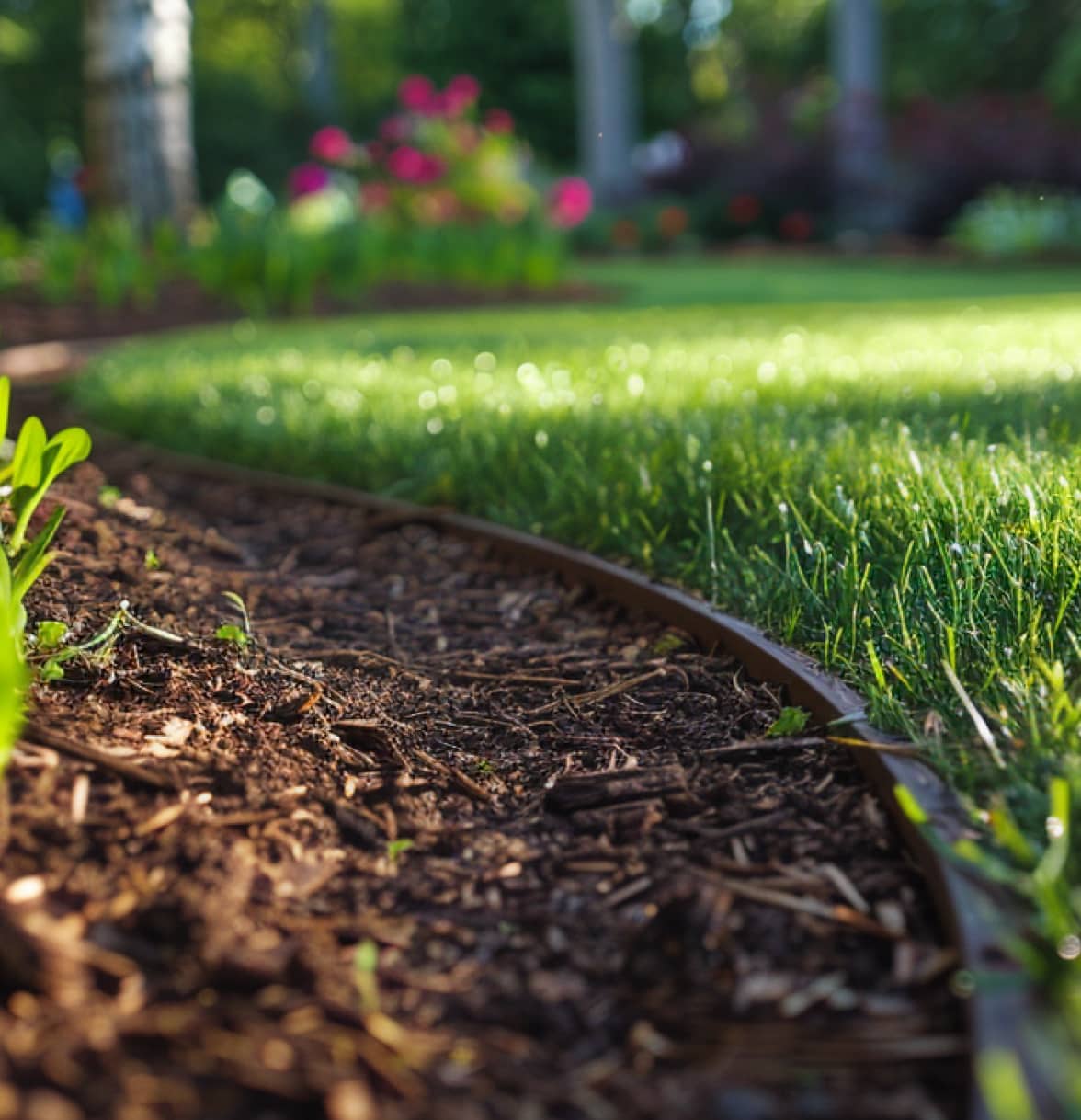
Mulch is one of the most underrated parts of a low-maintenance garden. It helps keep moisture in the soil, slows weed growth, and protects roots when temperatures spike.
In Austin, mulch helps by:
- Reducing how often you need to water
- Keeping weeds from taking over beds
- Helping soil stay more stable during heat
A well-mulched garden usually looks more finished and needs less attention overall. This is where proper mulch installation can make a noticeable difference.
.webp)
Limit Lawn Areas Where It Makes Sense
Lawns often take the most work. Between mowing, edging, and watering, they add up quickly, especially during warmer months.
Reducing lawn space by adding:
- Garden beds
- Rock features
- Mulched planting areas
can lower maintenance while still making the yard feel intentional and balanced. Many homeowners combine this with garden bed installation for cleaner transitions.
Think About How the Garden Will Age
Low-maintenance gardens work best when they’re designed with the future in mind. Plants grow, spaces fill in, and what looks good today should still work a few years down the line.
Planning ahead helps:
- Prevent overcrowding
- Reduce the need for replanting
- Keep maintenance manageable
- Maintain a balanced look over time
Gardens designed this way usually require fewer adjustments later.
Low-Maintenance Doesn’t Mean No Maintenance
Even the easiest gardens still need some care. Light pruning, seasonal cleanup, and quick check-ins keep things healthy.
The difference is that low-maintenance gardens don’t demand constant attention. Most of the work can be done in short sessions instead of feeling like a never-ending task.
At Serendipity Landscape Solutions, the goal is simple: design outdoor spaces that people can actually enjoy, not ones they feel stuck maintaining.
Explore Related Landscaping Services
FAQs
What actually makes a garden low-maintenance?
Plants that fit the climate, a simple layout, and materials that reduce watering and weeding.
Do low-maintenance gardens work well in Austin heat?
Yes. They’re usually designed with heat-tolerant plants and efficient watering in mind.
Can low-maintenance gardens still look good?
Definitely. Many end up looking cleaner and more intentional than high-maintenance gardens.
Can an existing garden be turned into low-maintenance?
In most cases, yes. With the right changes, gardens can be simplified over time.
.webp)